
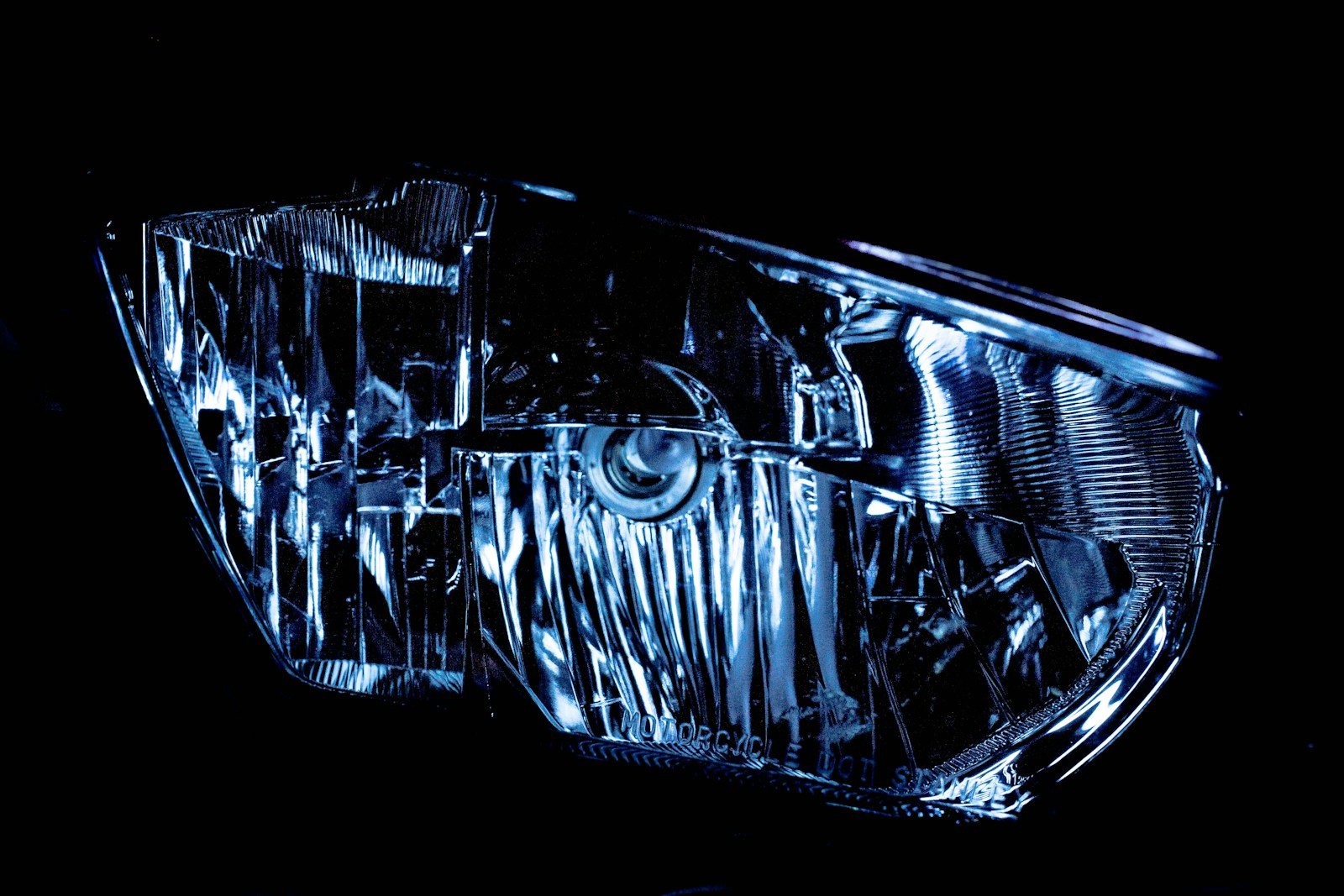
Yellowed headlights are the result of oxidation caused by prolonged exposure to UV rays, compromising vehicle safety and optical performance. Professional catering techniques involve systematic cleaning methods using household compounds such as vinegar, baking soda and specialized polishing compounds. Multi-stage refinishing processes, including progressive abrasive treatments and applications of UV-resistant sealanteffectively reverse oxidative damage. Strategic interventions such as uniform application of compounds, meticulous surface treatment and consistent maintenance can restore the headlight brightness. Professional restoration kits offer targeted solutions that address surface degradation, ensuring maximum visibility and vehicle aesthetic integrity. Advanced techniques await exploration for complete headlight preservation.
Contents
Yellowing of the headlights is primarily a consequence of oxidationa chemical process triggered by prolonged exposure to ultraviolet (UV) radiation and environmental elements.
The headlight materials, typically polycarbonateare inherently susceptible to this degradation mechanism. The oxidation process breaks down the outer protective layer of the headlight lens, causing molecular structural changes that manifest themselves as a yellowish, cloudy appearance.
Environmental factors such as intense sunlight, atmospheric pollutants and temperature variations accelerate this chemical transformation.
Microscopic deterioration of the surface occurs gradually, compromising both the aesthetic integrity of the surface. optical performance from the headlight.
As the protective coating erodes, the underlying polycarbonate becomes increasingly vulnerable to further oxidative damage, leading to a reduction of the light transmission and reduced visibility in night-time driving conditions.
Restoration warriors, take note: recovering the visual clarity of your vehicle requires strategic intervention using household headlight care products.
Effective restoration requires precision and a methodological approach to combat yellowing and oxidation.
Key restoration strategies include:
Each technique requires meticulous execution, focusing on even application and thorough rinsing.
After cleaning, the application of UV-resistant sealant becomes critical to preserving restored headlight surfaces, preventing future degradation and maintaining optimum optical performance.
Precision in the technique correlates directly with the success of the restoration.
With meticulous precision, automotive enthusiasts can effectively reverse the headlight oxidation through methods DIY strategies that take advantage of domestic and specialized cleaning compounds.
The restoration of lighthouses requires systematic approaches that thoroughly treat the surface degradation. Advanced DIY techniques involve abrasive treatments progressively, starting with fine-grained sandpaper to remove oxidized layers, followed by polishing compounds that smooth and clarify lens surfaces.
Restoration kits professional-grade solutions, incorporating multi-stage sanding, compounding and UV protective sealant. Critical to the success of headlight restoration is maintaining consistent pressure, using methodical circular movements and selecting appropriate materials that prevent further environmental damage.
Practitioners must exercise careful technique, understanding that each restoration attempt requires calculated movements and a thorough understanding of the characteristics of polycarbonate lenses. Meticulous execution ensures visual clarity and long-term lens protection.
Proactive vehicle maintenance strategies represent the most effective approach to mitigating the headlight degradation future. Implementing comprehensive protective measures can significantly extend the longevity and performance of headlights:
Professional-grade UV protection mechanisms serve as a critical defense against oxidation and structural deterioration.
These advanced coatings create barriers at the molecular level that resist the destructive potential of ultraviolet radiation, preventing the photochemical reactions responsible for yellowing and fogging.
The systematic application of these protective technologies, combined with regular cleaning and inspection, guarantees optimum headlight clarity and structural integrity.
Strategic maintenance not only preserves aesthetic appeal, but also maintains critical visibility parameters that are essential for the safe vehicle operation.
In addition to purely aesthetic concerns, the vehicle visibility represents a critical security imperative that requires systematic and comprehensive protection strategies.
Headlamp safety requires a detailed approach to increasing visibility, focusing on proactive maintenance and strategic interventions. Professional drivers and automotive enthusiasts understand that clear, unobstructed headlight performance is directly correlated with road safety and operational efficiency.
The implementation of strict cleaning protocols, the use of specialized restoration techniques and the application of professional grade sealants can mitigate the progressive degradation of lenses.
Advanced preservation methods involve periodic inspectionimmediate approach to surface oxidation and strategic environmental management.
Certain household products can effectively restore severely yellowed headlightsbut precision is critical.
Specialized restoration techniques using toothpaste, vinegar and baking soda solutions or polishing compounds can mitigate the oxidation.
However, extreme yellowing may require professional-grade abrasive materials and UV-resistant seals to completely rehabilitate polycarbonate surfaces and guarantee optimum optical clarity and protective integrity.
Professional restoration of the headlights should be considered every 1-2 years or when the visual degradation becomes pronounced.
Critical factors that determine the frequency of restoration include environmental exposure, age of the vehicle and initial condition of the headlights.
Proactive maintenance can prolong the longevity of headlights, with professional restoration serving as a strategic intervention to preserve optical clarity, structural integrity and night visibility ideal for vehicle safety.
Yellowed headlights can considerably compromise the standards of vehicle safety inspection.
Inspection criteria typically require clear, unobstructed lens visibility and adequate light transmission.
Severe yellowing reduces luminosity, potentially causing beam dispersion and reduced visibility at night, which directly impacts the safety assessment.
Inspectors can flag up extensively degraded headlights, requiring restoration or replacement to meet regulatory luminance and transparency requirements.
Like a skilled surgeon restoring clarity to a clouded vision, home restoration techniques offer results comparable to professional services when executed meticulously.
Comparative analyses reveal that the methodical application of polishing compounds, sandpaper grades and protective sealants can effectively rejuvenate headlight surfaces.
Professional intervention becomes necessary only for extensively degraded lens conditionswhere specialized equipment provides definitive restoration.
The successful restoration of headlights without professional intervention is achievable through meticulous maintenance techniques.
Advanced home restoration methods such as polishing compoundsfine sandpaper and UV protective seals can effectively mitigate yellowing.
However, success depends on precise application, understanding the properties of the polycarbonate material and implementing a systematic approach to prevent future oxidation and degradation.
Headlight restoration represents a critical intersection between automotive maintenance and safety engineering. By systematically addressing oxidative degradation through methodical cleaning interventions, vehicle operators can substantially mitigate the deterioration of the optical surface. Rigorous restoration techniques, when applied methodically, re-establish peak light transmission characteristics, thereby improving the night driving visibility and vehicle aesthetic integrity. Strategic maintenance ensures sustained optical performance and road safety.

 Portuguese